In May of 2010, the FCC sets in place the structure for new Net Neutrality rules that allow for a completely open and unrestricted internet. According to the Obama White House Archives , these rules got a strong backing by the then president Barack Obama, and had done so since 2007. The belief at the time was that an unrestricted internet better promotes innovation
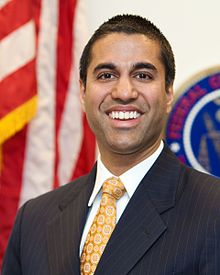
Our friendly neighborhood FCC Chairman, elegantly named Ajit Pai (Photo Credit), has different views on our ever-changing internet. This delightful fellow believes that the internet is restricted by freedom, and that telecom companies will not have any reason to expand their horizons in the country. Though this hasn't been confirmed, the idea is that making internet more profitable will incentivize companies to expand, especially in areas where people can not afford standard internet services.
The common argument for keeping these neutral internet regulations around sides with the idea of competition. In an interview with the chairman, William Brangham mentions a hypothetical situation involving Comcast and Netflix. Let's just say Comcast created a new TV series, and it just so happened that that competed with a Netflix series very similarly. If these rules go away, how is there not an incredible incentive for Comcast to slow Netflix down coming into my house and make their video, the Comcast video, very robust?
To which Pai confidently replied So, under that hypothetical, one of the things that's important to remember is that it is a hypothetical.
Pai has his mind set on these situations being hypothetical and unlikely. It is logical, though, to assume these situations will arise. Pai's plan to remove the neutrality regulations could result in favoritism, and most importantly, the controlling of what information we see.
On the 14th of December the FCC will pass a vote to repeal the net neutrality regulations set in place by the Obama administration. The repeal of these laws could face serious backlash, though Pai is not discouraged. Thanks to the strong support for Pai by the FCC, it is almost certain that the repeal will pass. The fight isn't over yet, though.